Our success
These are their wins, not ours.
Every result on this page belongs to a child. Our part was showing up every week and measuring honestly.
Four stories from the founding cohort, each one measured against that same child's own starting point. No class averages. No national comparisons. No claims we cannot show you.
The numbers so far
Five.
Scholars in the founding cohort
Ten.
Weeks, baseline to re-test
One.
Site, in the Western Cape
Five.
Adults giving their time this term
Small, on purpose, and stated plainly. The founding cohort stays this size until we can grow it without loosening the adult to child ratio or the measurement.
Nomvula

She could read the words in week one. She could tell you what they meant by week ten.
Nomvula arrived able to decode most of a Grade 3 passage and able to answer almost none of the questions that followed it. That is the gap the national numbers describe, sitting at one desk, in one afternoon.
Ten weeks later she was answering inference questions on the same passage without being prompted. One child, one baseline, one re-test. We are not going to call that proof of a method. We are going to call it a start worth funding.
Sipho
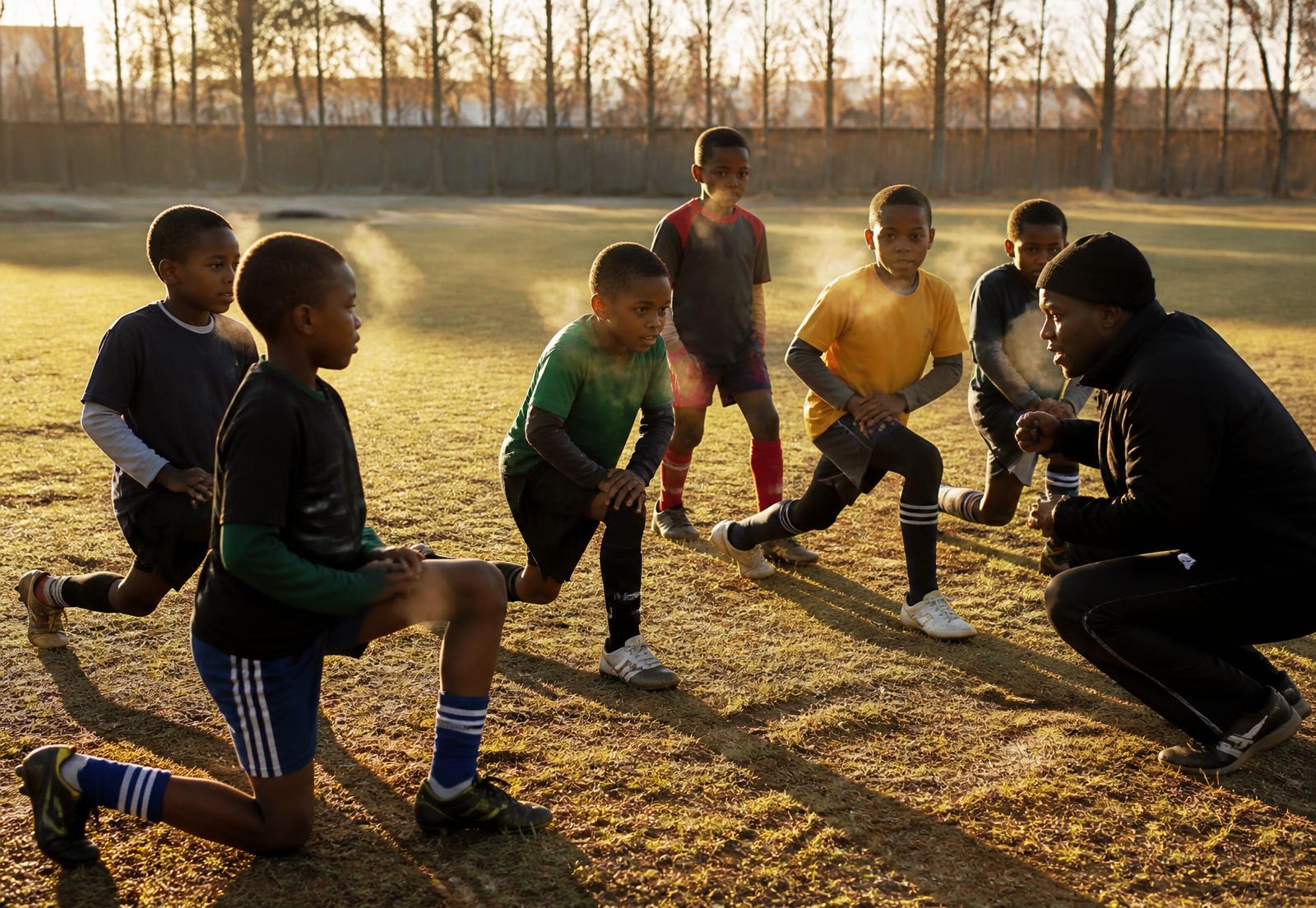
He came for the football. He stayed for everything that comes after it.
Sipho missed more school days than he attended in the term before he joined. Attendance is the least glamorous number we track and the one everything else depends on, so it is the one we watch hardest.
He has now been at every Saturday session but one, and the session he missed he phoned ahead about. That is not an academic result. It is the thing that makes an academic result possible at all.
Aviwe
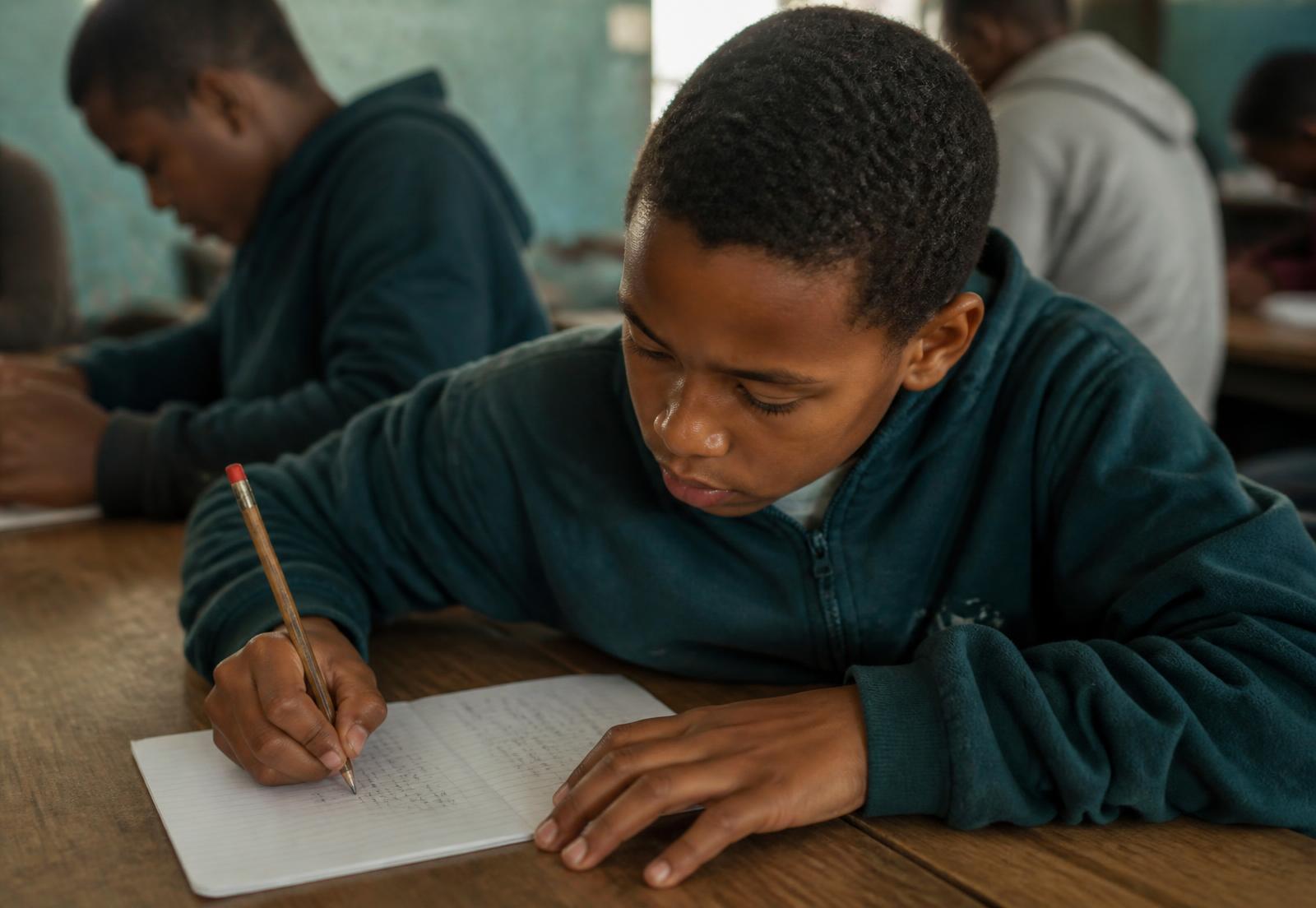
Fractions were the wall. Now they are just a thing he can do.
Mathematics decides, more than any other subject, which doors are still open to a young person at eighteen. Aviwe started the block stuck on the same place most scholars get stuck: operations with fractions.
He worked through it with the same tutor every week for ten weeks, which is the only part of this we would claim credit for. The gain is measured against his own first assessment, not against a class average or a slogan.
Zintle
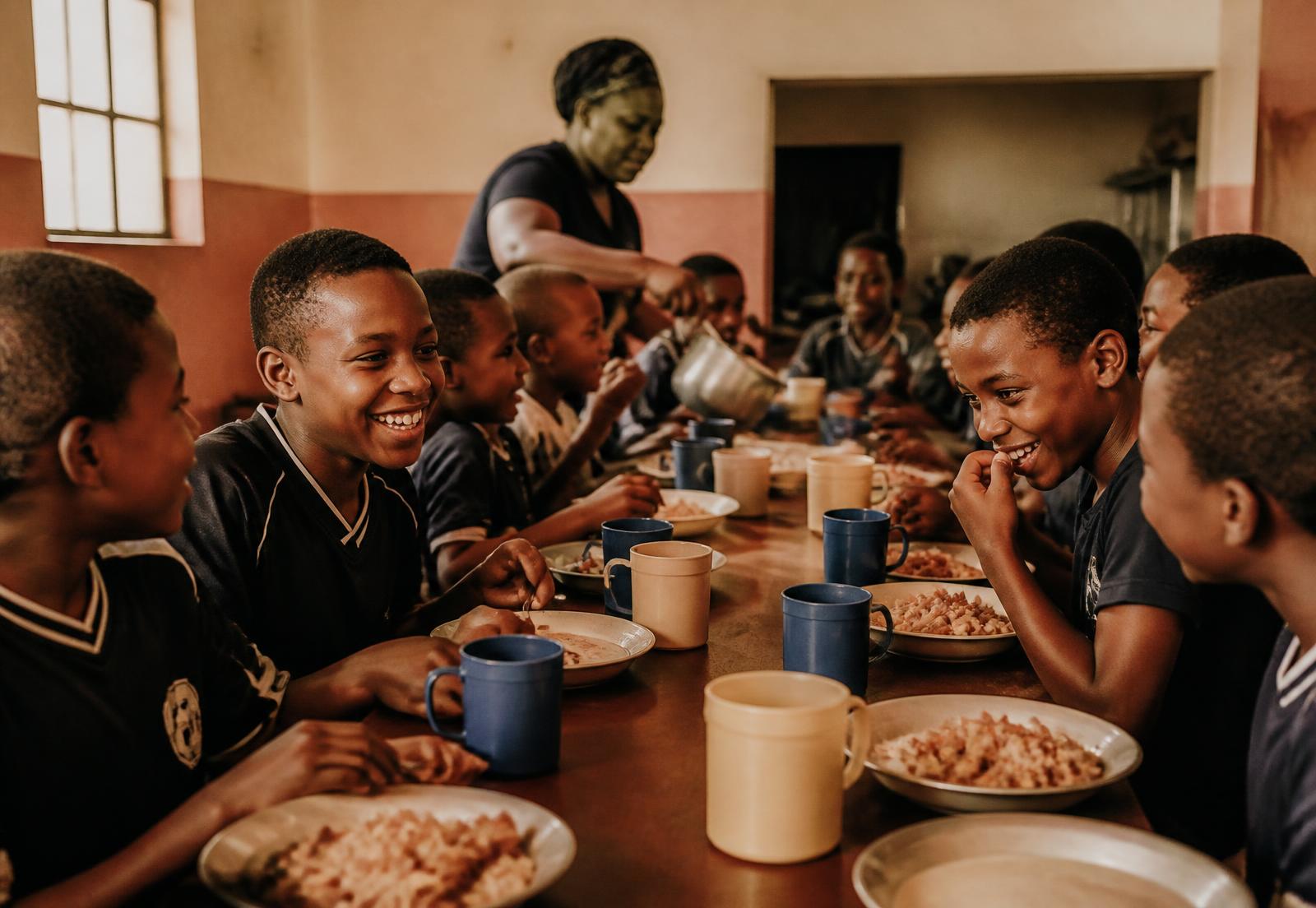
You cannot teach a hungry child, and you cannot reach a child nobody asked about.
Every session ends with a hot meal and an adult asking each scholar, by name, how their week actually went. Zintle's answers in week one were one word long.
By the end of the block she was the one asking the younger scholars how their week had gone. We do not have a metric for that. We are not going to invent one just so it looks like data.
What you can do with this
If you are a parent
Come and watch a Saturday session. Nothing on this page is more convincing than an hour on the field.
If you fund or partner
Ask us for the baselines behind every story here. We will send them, including the ones that did not move.
If you can give time
The thing that changed most for these scholars was one adult, every week, who knew their name.
Five scholars is a small number. It is also five whole childhoods.
Get in touch